In short
- Visit between September and April for migratory flocks.
- Up to 20,000 godwits and 30,000 knots spend summer here.
- Book a specific 4WD tour to reach the gannet colony.
In this article
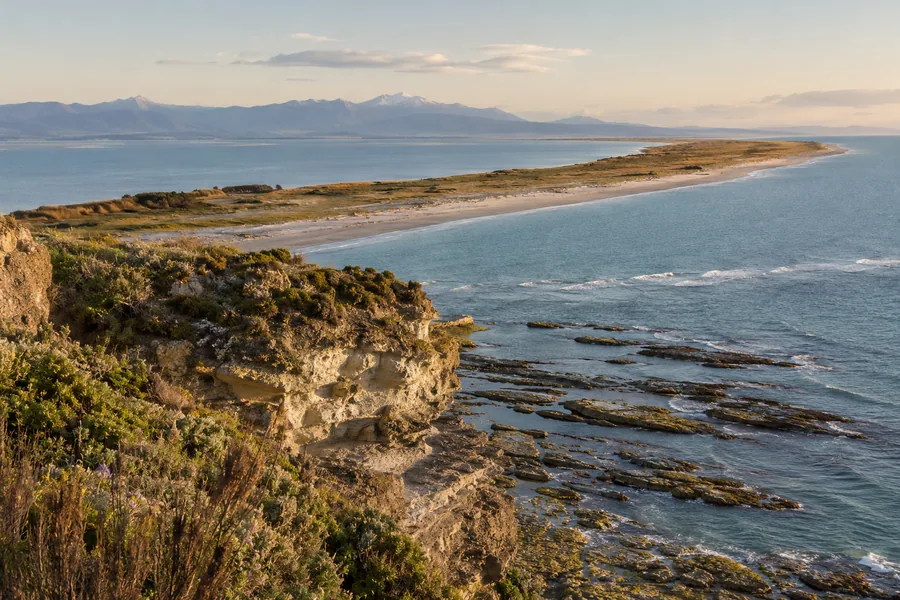
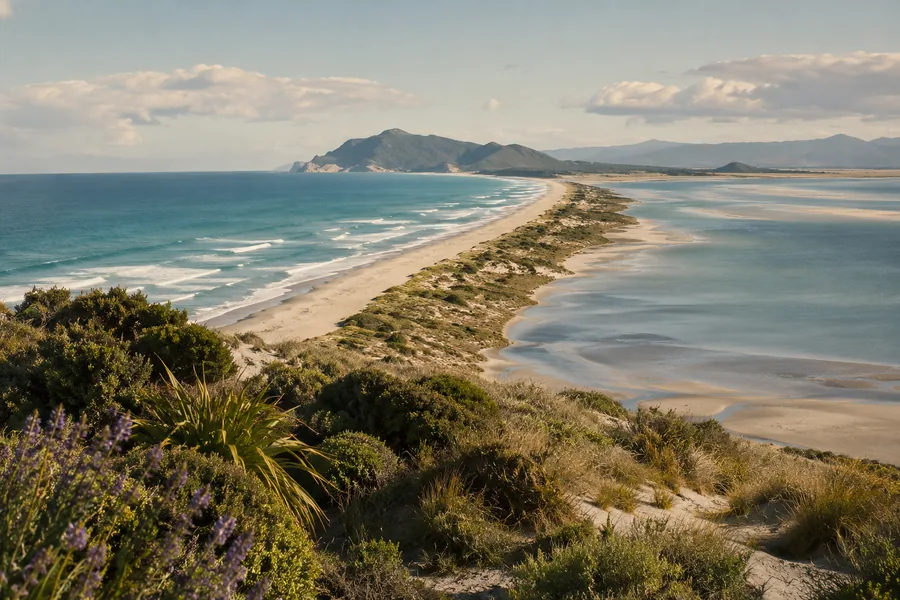
Farewell Spit is a Ramsar Wetland of International Importance hosting over 90 bird species. The spit's intertidal mudflats recede up to 7 kilometres, creating a massive 80-square-kilometre feeding ground.
When is the best time of year for Farewell Spit bird watching?
September to April is the peak bird watching season.
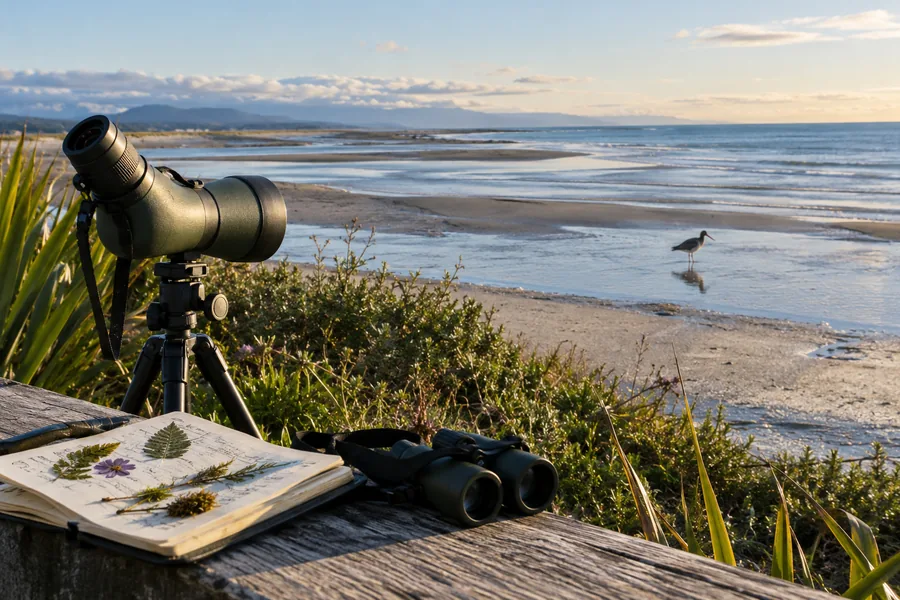
During these months, up to 20,000 bar-tailed godwits and 30,000 knots arrive. They fly 12,000 kilometres to summer on the spit. You will also see activity at the Australasian gannet colony. Outside of these months, up to 12,000 black swans use the area as a molting site.
How do you access the bird watching areas?
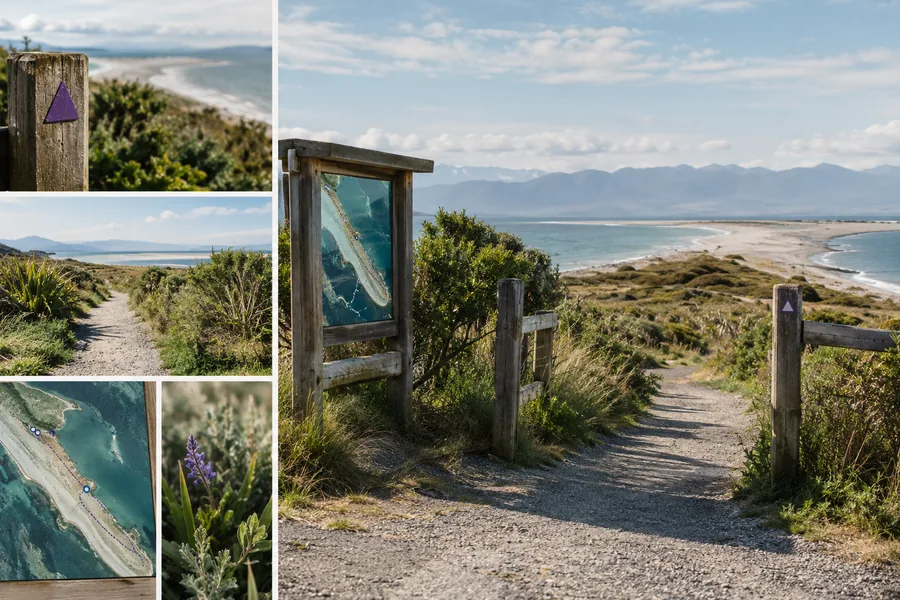
You can walk the first 4 kilometres for free or take a 4WD tour to go further.
If you stay in the public area, start at Triangle Flat. Walk the Inner Beach to watch birds on the mudflats. To see the gannet colony near the tip, you must book a guided tour. Access past the 4-kilometre mark is strictly prohibited without a licensed guide.

When can you see the gannet colony?
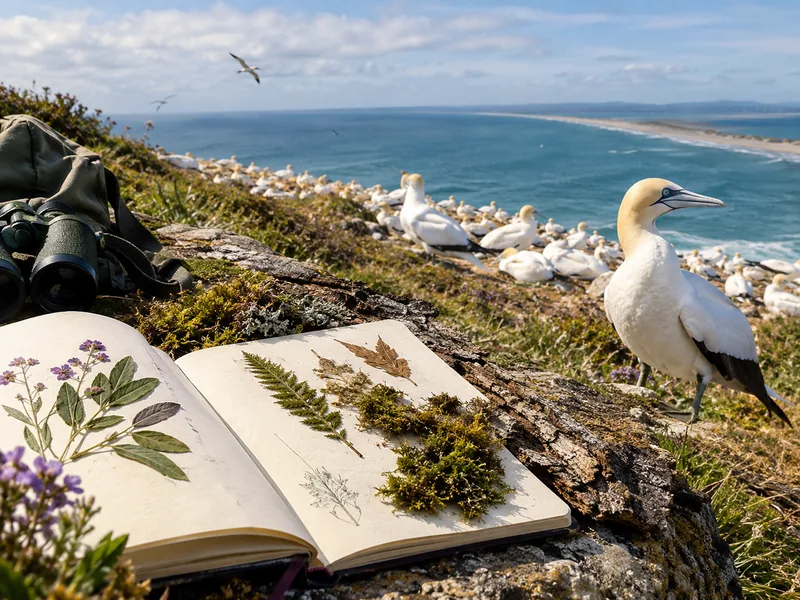
The colony is active and accessible via specific tours between September and April.
Farewell Spit holds New Zealand's newest mainland sea-level Australasian gannet colony. The birds nest just past the historic lighthouse. Because this area is deep inside the highly protected nature reserve, you cannot walk there. You need a dedicated gannet colony tour ticket.
How do tides affect bird watching?
Tides control where the birds feed and when tours can depart.
At low tide, the mudflats expose 80 square kilometres of feeding grounds. The birds spread out across this vast area, making binoculars essential. As the tide comes in, the water pushes shorebirds closer to the high-water mark. All 4WD tours schedule their trips around these daily tidal shifts.
What should you bring for bird watching?
Pack binoculars, a windproof jacket, and sun protection.
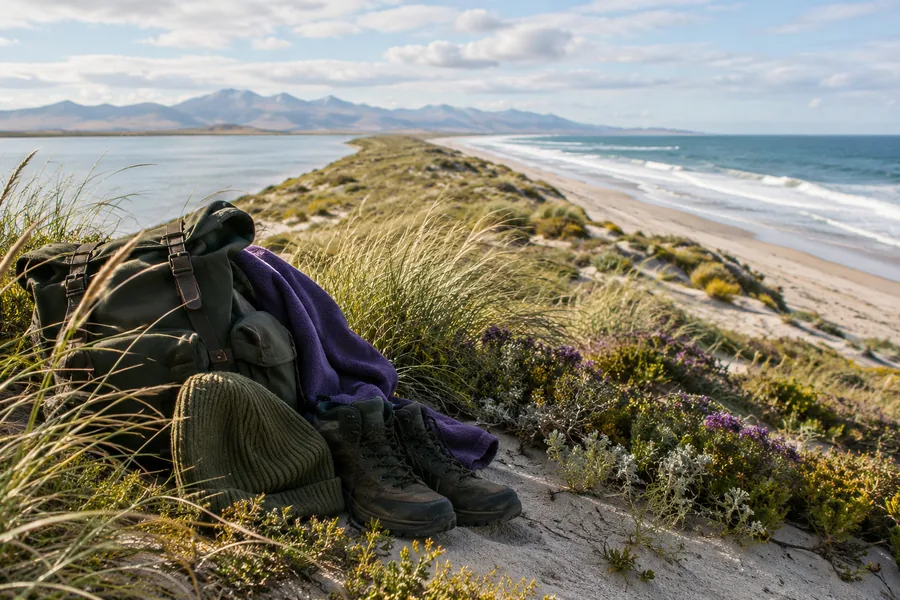
The spit is completely exposed to the Tasman Sea. Weather changes rapidly, and blowing sand is common. Wear solid walking shoes and layered clothing. A sun hat with a chin strap is highly recommended to combat the strong coastal winds.
Can you see birds without paying for a tour?
Yes, you can watch birds from the Inner Beach within the public zone.
Park at Triangle Flat and walk onto the southern side facing Golden Bay. This 4-kilometre stretch is free to access. Respect the boundary signs and keep at least 20 metres away from any seals you encounter along the shore.
Questions travellers ask
How long is Farewell Spit?
Farewell Spit measures 35 kilometres in length, making it New Zealand's longest natural sandspit.
Are there seals at Farewell Spit?
Yes, New Zealand fur seals and their pups often play in the rock pools near Fossil Point. You must keep a respectful distance of at least 20 metres from them and never give chase.
Can I fly a drone to photograph the birds?
No. Drones are strictly prohibited without a specific permit from the Department of Conservation. This rule exists to protect the thousands of migratory birds resting and feeding on the spit.